Product Overview
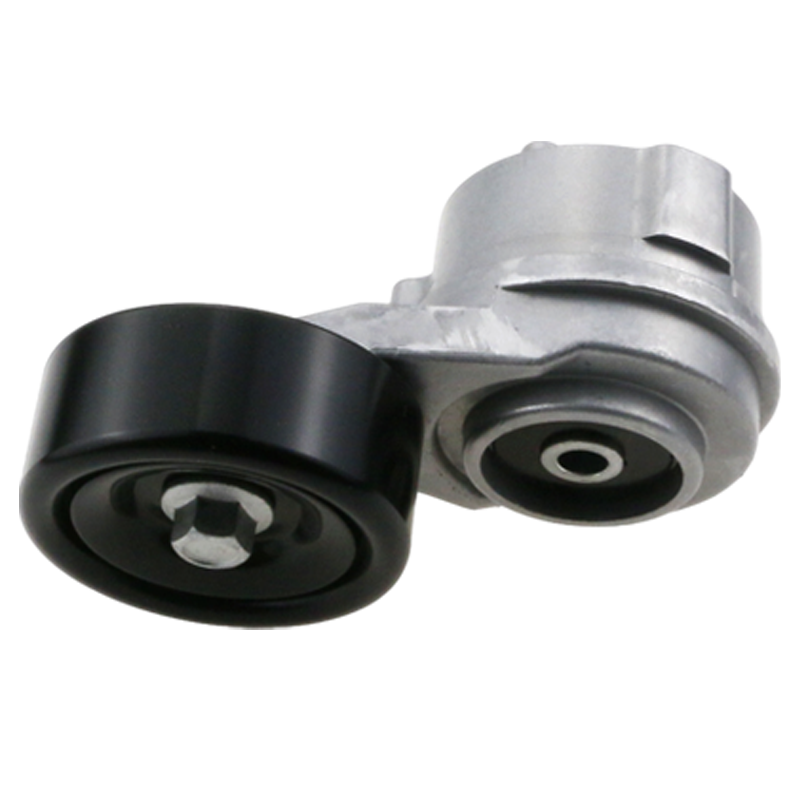
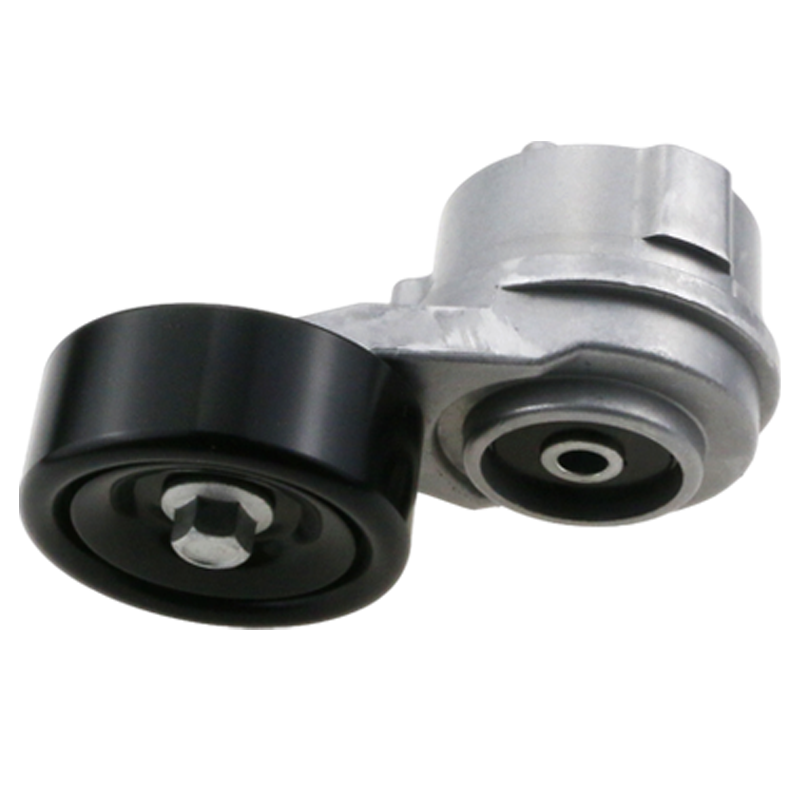
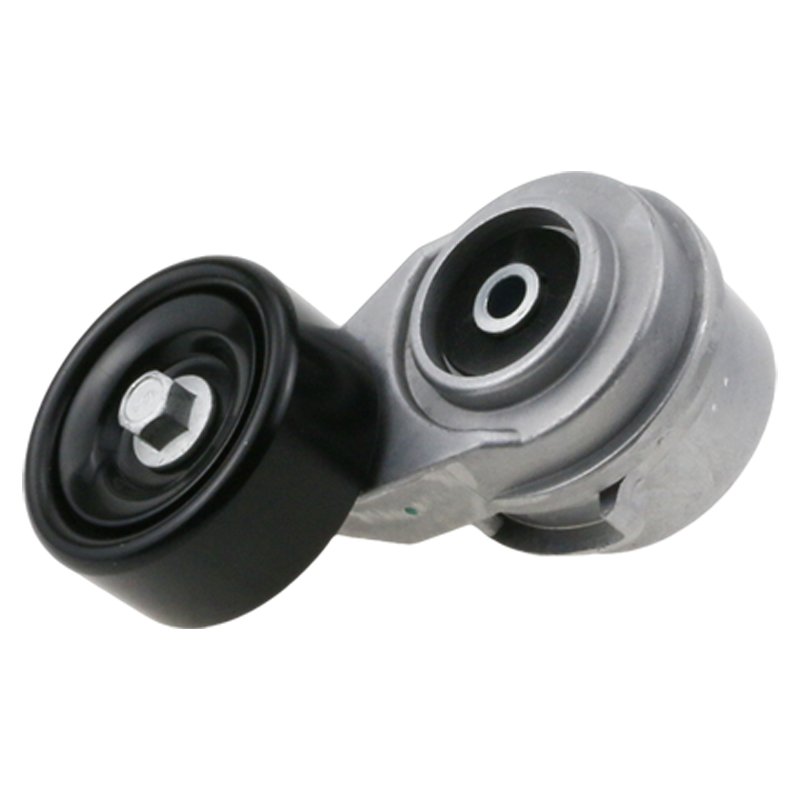
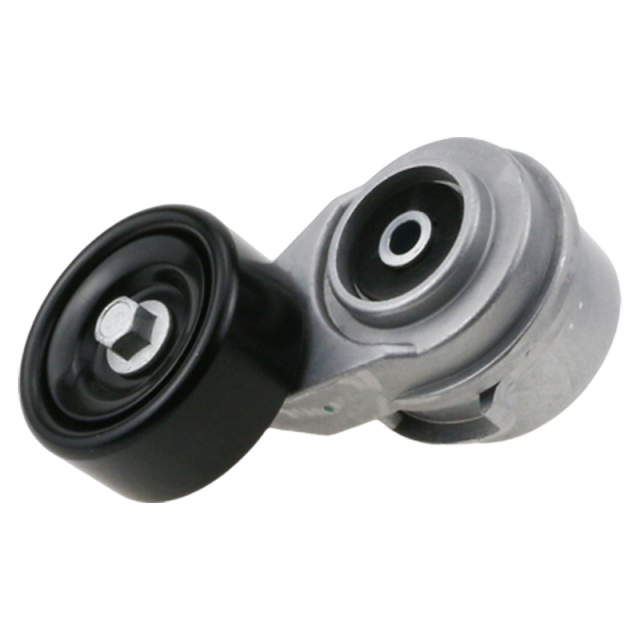
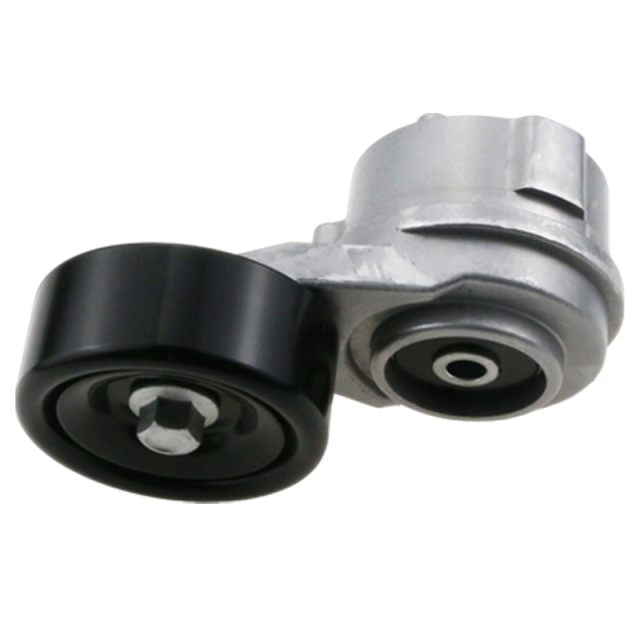
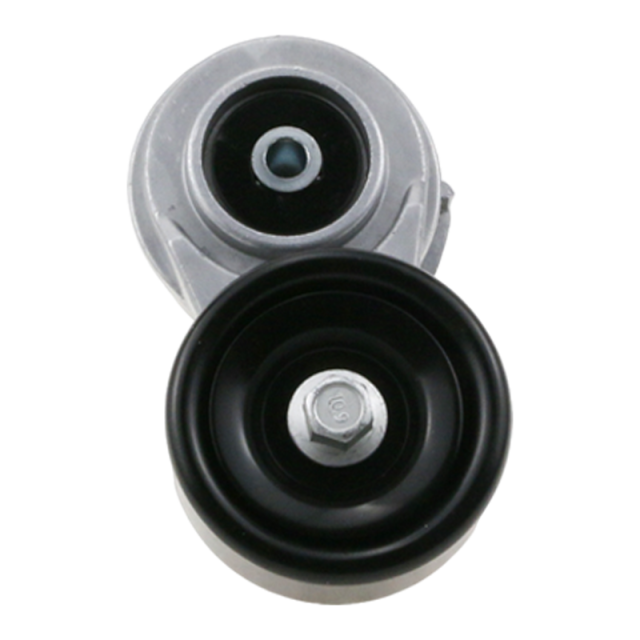
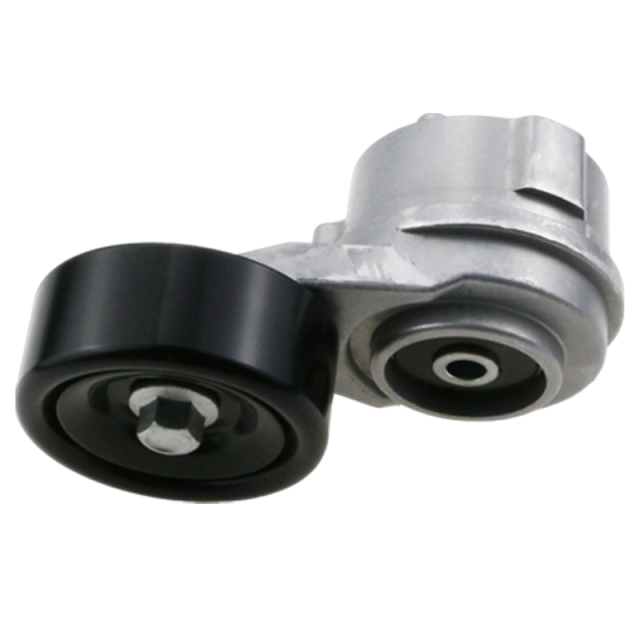
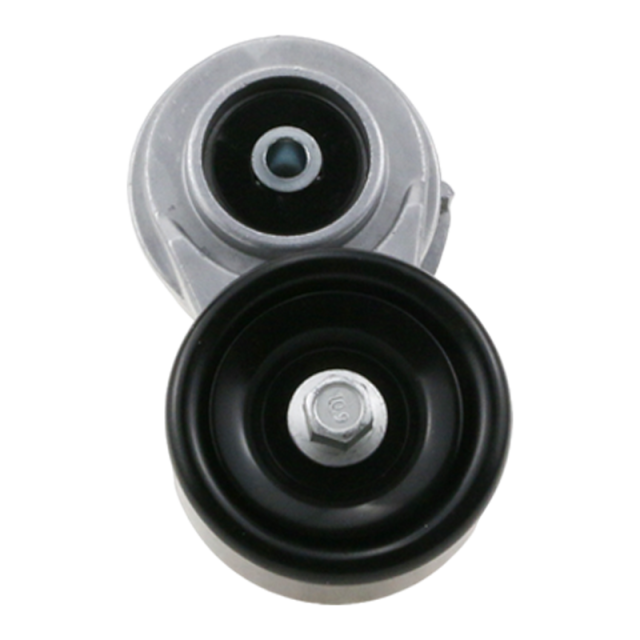
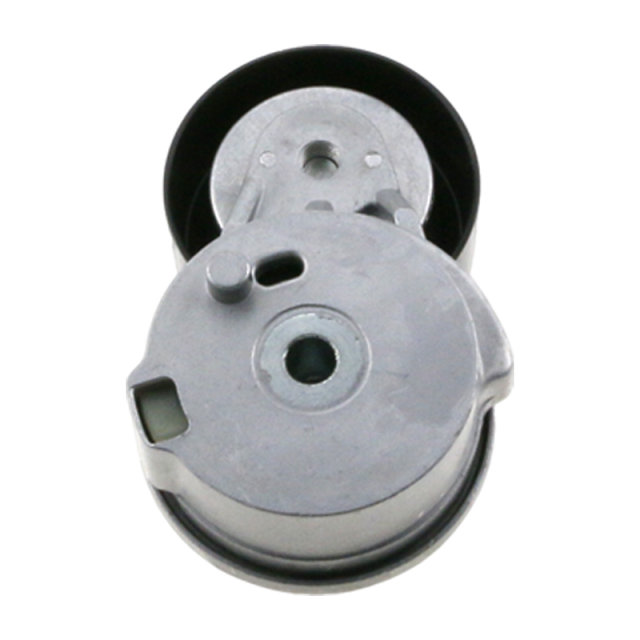
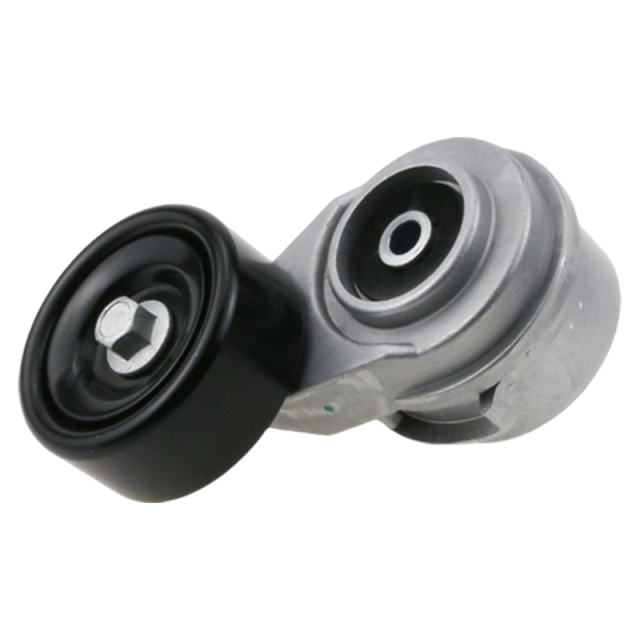
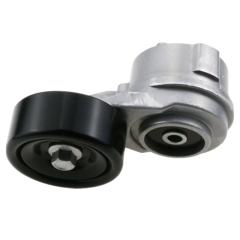
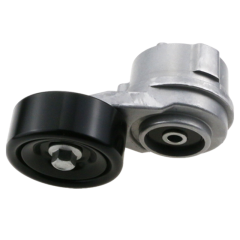
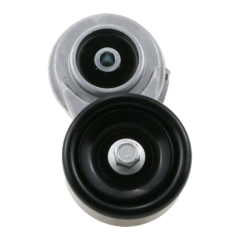
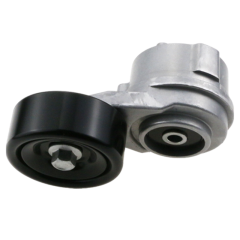
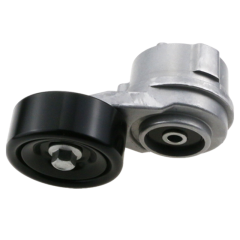
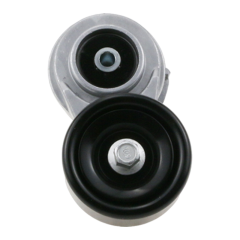
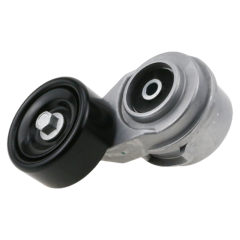
A complete engine belt tensioner assembly for Hyundai and Kia Accent, Solaris, Creta and Hb20 models: a cast metal arm, an enclosed housing and a smooth black pulley wheel at the end of it. One central hex bolt holds the unit to the engine, and the offset arm swings the pulley against the belt so the belt keeps the tension it was designed to run at, from cold idle to full revs.
The tensioner sits on the engine's accessory belt drive — the belt circuit that turns the alternator, the water pump and the air-conditioning compressor on these cars. When the tensioner spring weakens or the pulley bearing starts to rumble, the belt begins to chirp, slip or run off-centre, and a complete tensioner pulley replacement is the repair that actually restores the belt's working tension.
Accent, Solaris, Creta and Hb20 make this a fast-moving line for distributors, workshop stock rooms and parts counters. It is supplied by part number to distributors and workshops, so a Hyundai Kia auto parts supplier can list it, quote it and sell it without a long conversation about the car.
Tensioners and belts wear together, so most buyers put a drive belt on the same order and check the idler pulleys while the belt is off. The unit arrives as one piece with the pulley already on the arm — nothing has to be pressed apart or reassembled in the bay, which keeps the job inside a normal service slot.
Construction & Build
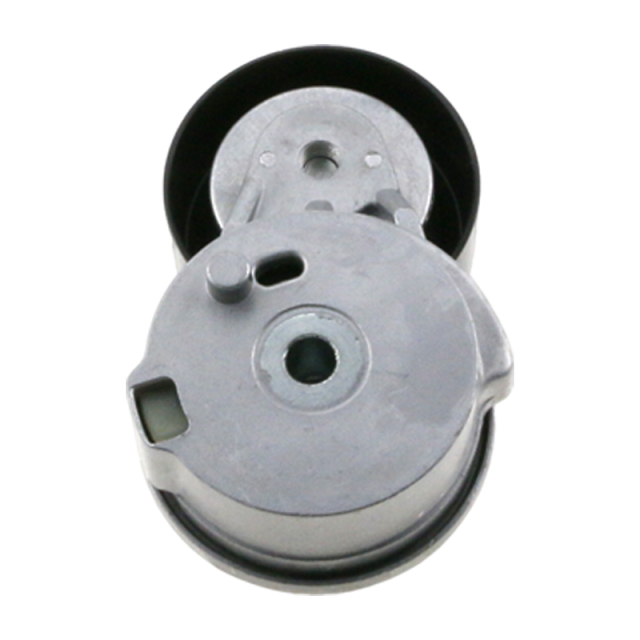
- Cast arm and housing. The arm and housing are cast as one metal piece, which is what keeps the unit rigid under belt load; the mounting face is machined flat so it sits square against the engine.
- Smooth black pulley wheel. The wheel face is finished smooth and coated black, and it turns on its own bearing once the unit is bolted up — the belt runs on that face, not on the casting.
- Central hex bolt. A single hex-head bolt runs through the centre of the assembly, so the unit comes off with one socket size and goes back on the same way.
- Offset arm geometry. The pulley centre sits to one side of the mounting hole, and that offset is how the arm loads the belt and holds tension as the engine moves on its mounts.
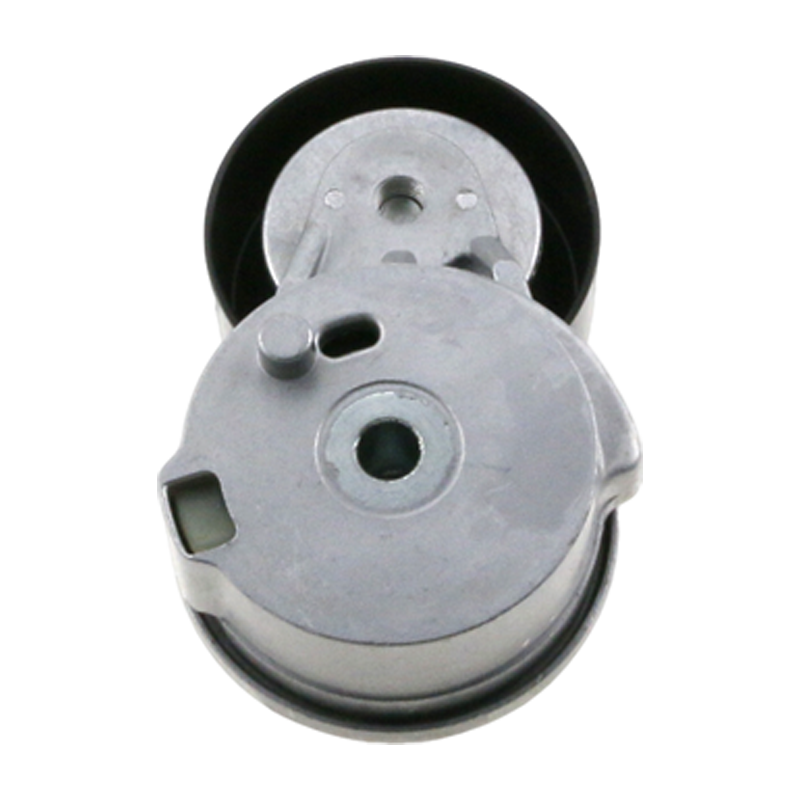
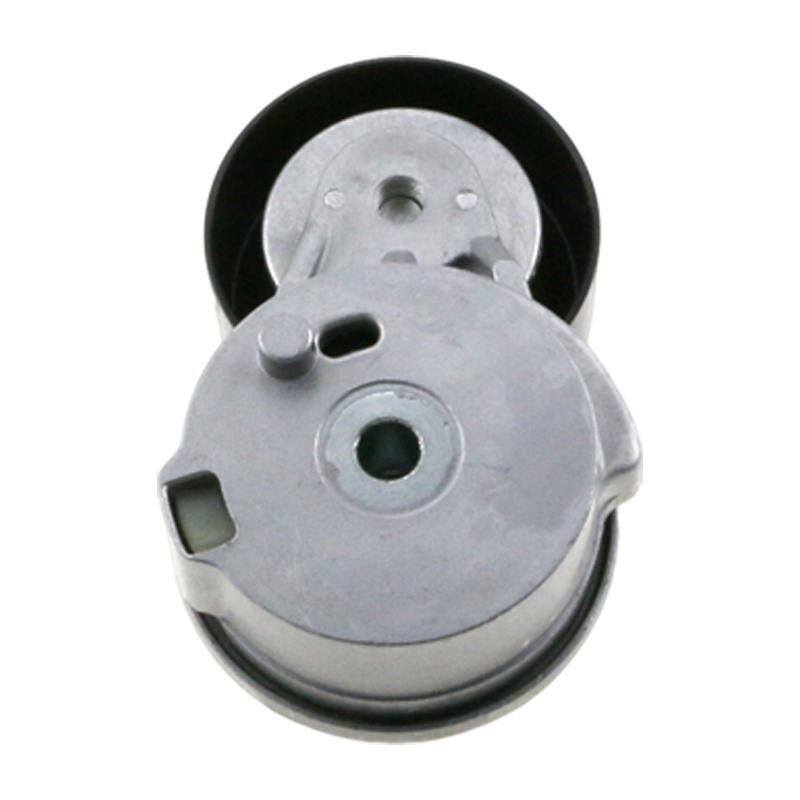
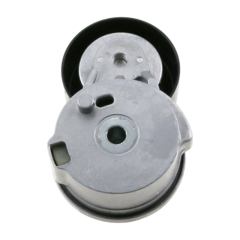
- Enclosed rear housing. The back of the housing is closed over, so the spring and bearing area stays shielded once the unit is mounted against the block.
- Metal where the load is. Both the arm and the pulley hub are metal — the parts of a belt tensioner assembly that carry the belt load and take the heat of the engine bay.
Fitment & Number Matching
The number on the unit is the only reliable fitment check. Hyundai and Kia use more than one tensioner across the engine codes that share a body shell, so two cars of the same year can take different parts, and numbers are revised between production runs as well. Model names travel badly. The same car is sold as the Accent in many markets, the Solaris in Russia and the HB20 in Brazil, and the Creta badge covers more than one generation. Use the badge to narrow the search and the number to close it — matching on the name alone is how offset and pulley-diameter mistakes get made. Compare the arm, not only the wheel. Two belt tensioner assemblies can carry a pulley of the same diameter and still differ in arm length and mounting offset, so hold the old unit against the new one and look at where the pulley sits relative to the bolt hole. When the marking has worn away, send the VIN, the engine code and a photo of the tensioner in place and we will confirm the match. Distributors who move a lot of Hyundai Kia replacement parts often keep one old unit on the shelf as a reference, because it settles these questions at the counter in seconds.
Fitting Notes
- Let the engine cool fully, then photograph the belt routing across every pulley before you touch anything. On these engines the belt path is not obvious once it is off, and a photo saves a second strip-down.
- Release the tension on the accessory belt drive with the correct spanner on the tensioner, slip the belt off the pulleys and let the arm return slowly. Do not lever against the pulley face or the housing to force it.
- Undo the central hex bolt and lift the tensioner away, keeping any spacer or washer with the bolt in the order it came off. Compare the old unit and the new tensioner pulley replacement side by side before it goes on.
- With the tensioner off, spin the idler pulleys and check the belt for glazing, cracking or oil contamination. A new tensioner on a worn belt will not stay quiet for long.
- Bolt the new tensioner into place and tighten to the figure listed in that engine's service manual; the arm should sit against its stop with the belt still slack at this stage.
- Route the belt exactly as photographed, check it sits centred on every pulley, then turn the engine through two full revolutions by hand and watch the belt track across the tensioner wheel.
- Start the engine, let it idle and listen for chirp or rumble, then recheck the belt after the first road test. Any noise that remains usually belongs to the belt or another pulley rather than the new unit.
Specifications
| Specification | Detail |
|---|
| Part number | 25281-2B020 |
| Component type | Engine belt tensioner with pulley |
| Body material | Metal, cast arm and housing |
| Pulley | Black, smooth-faced wheel |
| Fastener | Central hex bolt |
| Drive position | Engine accessory belt drive |
| Vehicle fitment | Hyundai/Kia Accent, Solaris, Creta, Hb20 |
| Supplied to | Distributors and workshops |
| Order unit | One belt tensioner assembly, pulley fitted |
Ordering & Delivery
- Inquiry and clarification. Send the OEM part number, the vehicle details, the quantity and the market the parts are going to; as a Hyundai Kia auto parts supplier, we reply within 12 hours and confirm fitment, packing and destination before anything is quoted. Quotation and order confirmation. A formal quotation follows within 24 hours and states the warranty terms and any certification documents you have asked for. Once you confirm it, we issue the PI or contract so price, quantity and terms are fixed in writing. Advance payment. The deposit is usually 30% by T/T as set out in the contract; goods preparation begins when the bank slip reaches us, and the balance is settled before the full document set is released. Logistics and delivery. Express, air and sea are all available, and the choice is made with you according to order size and how soon you need the parts. Tracking is shared as the shipment moves, a copy of the transport document goes out before dispatch, and the full document set follows the balance payment. After-sales support. Orders carry a 6-12 month warranty, and the exact period for your shipment is written on the quotation. Report any problem with photos of the unit and the carton so it can be assessed without a round of questions.
- Combining with other parts. If the tensioner is going out with other Hyundai Kia replacement parts in the same consignment, say so at inquiry so packing and freight can be planned together rather than bolted on afterwards. What to confirm with us. Lead time, the deposit percentage for a first order, carton quantities, packing marks and the documents your customs broker needs are all confirmed on the quotation — ask for them in writing if your purchasing file requires it.
Quality Control & Inspection
Every order of Hyundai Kia replacement parts goes through staged checks before it leaves us: incoming stock is verified against the OEM part number and listed fitment, running batches are sampled during packing, and a final inspection confirms the cartons match the order before dispatch. If you prefer your own inspector, we cooperate fully with third-party teams such as SGS or BV and make goods available for viewing. Any non-conforming piece is held back first, then replaced or credited. Each shipment travels with a packing list and inspection record for your receiving desk.
FAQ
Is this a genuine Hyundai or Kia part?
It is an OEM replacement part rather than a dealer-boxed genuine part. We are a Hyundai Kia auto parts supplier working to OEM numbers, and this tensioner is built to replace the original on the models it covers. If your order has to be genuine dealer stock, tell us before you commit.
Does it arrive complete with the pulley and the bolt?
Yes — it comes as one assembly with the pulley wheel already fitted on the arm and the central hex bolt supplied with it. Keep any spacer or washer from the old unit, since the assembly itself is the arm, housing, pulley and bolt.
Can I buy just the pulley wheel instead of the whole unit?
This part is supplied as a complete tensioner pulley replacement, so the wheel, arm and housing come as one piece. If you only need the wheel for a repair, send us the OEM part number you are working from and we will confirm what is available.
What tools do I need to fit it?
A socket set for the central bolt, a spanner or tensioner tool to release the belt, and a torque wrench for refitting — no press and no special alignment jig. A photo of the belt routing before you start is worth more than any extra tool.
How do I tell whether the tensioner or the belt is making the noise?
A worn tensioner usually chirps or rumbles at idle, and the note changes when you rev the engine or switch on the air-conditioning; a glazed or cracked belt makes a steadier squeal that rises with engine speed. With the belt off, spin the pulley and the idlers by hand — a rough bearing is easy to feel.
How long should a tensioner last?
There is no fixed interval; it lasts as long as its spring and bearing do, and heat, oil contamination and a worn belt all shorten that. Most workshops inspect it at every belt change and renew it once the arm stops holding tension or the pulley turns rough.