Circuits & Controls Restored
- Horn. A horn that has gone silent, or that only sounds at certain steering angles, is the classic sign of a worn ribbon. Replacing the unit restores a steady contact through the full turn of the wheel.
- Steering-wheel buttons. Audio, cruise, phone and menu controls all run through the same ribbon. A steering wheel clock spring that has lost contact usually shows up as buttons that work intermittently, or only when the wheel is held straight.
- Airbag circuit. The unit is the link between the airbag module in the wheel and the steering column wiring. A broken track shows up as a warning lamp and a stored fault code rather than as anything you can hear or feel.
- Clicking or scraping at the column. A ribbon that has jumped its track, or a clock spring assembly whose housing has worn, can make a soft noise as the wheel turns. It normally disappears once a new assembly is fitted.
- Faults after column work. A wheel refitted without the unit centred can damage the ribbon on the first full turn. When a car comes back after airbag or combination-switch work, check the clock spring before condemning anything else.
- What a clock spring replacement will not fix. It will not repair a failed horn relay, a dead button module or a deployed airbag. Those are separate parts, and a new ribbon will not change how they behave.
- Several controls failing together. When the horn, the buttons and the warning lamp all arrive at once, the part they share is the ribbon. That pattern is the clearest case for replacing the unit rather than chasing each circuit separately.
Product Overview
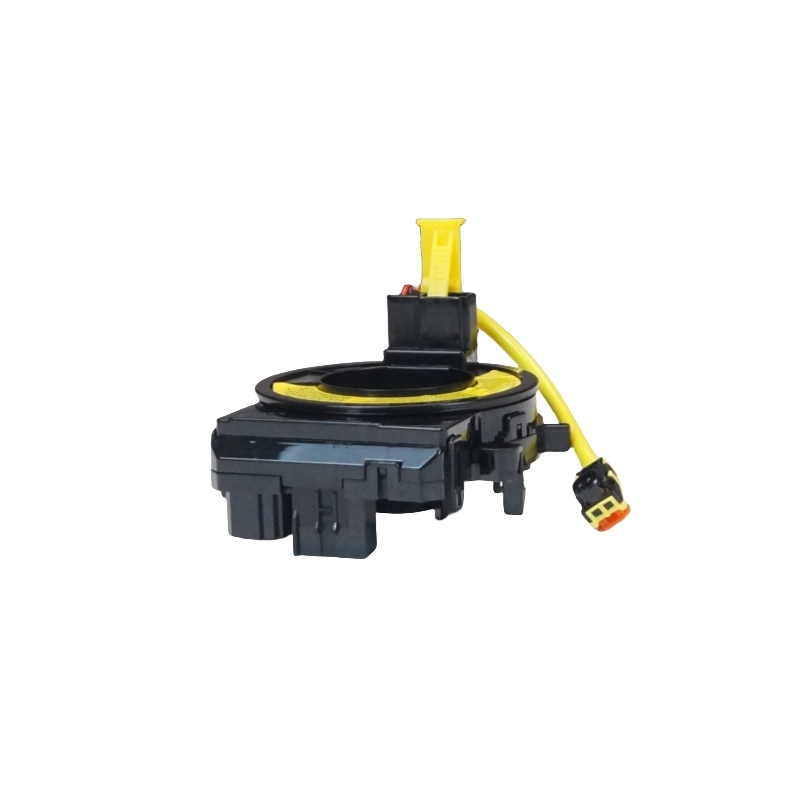
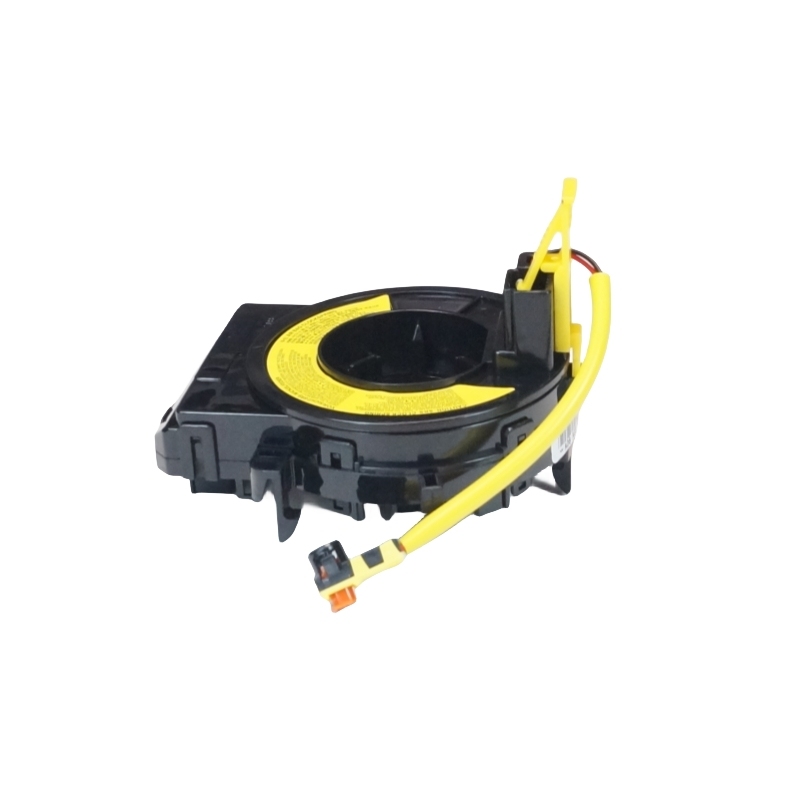
The clock spring is the wound ribbon inside the steering wheel hub that keeps the horn, the steering-wheel buttons and the airbag wiring live while the wheel turns from lock to lock. Every turn flexes that ribbon, and after years of use the conductors inside can crack, flatten or lose contact. This airbag clock spring is the complete replacement assembly for Gamma-engine Hyundai and Kia models, so a wheel that has gone quiet or a dashboard lamp that will not clear can be put right without changing the whole column switch unit.
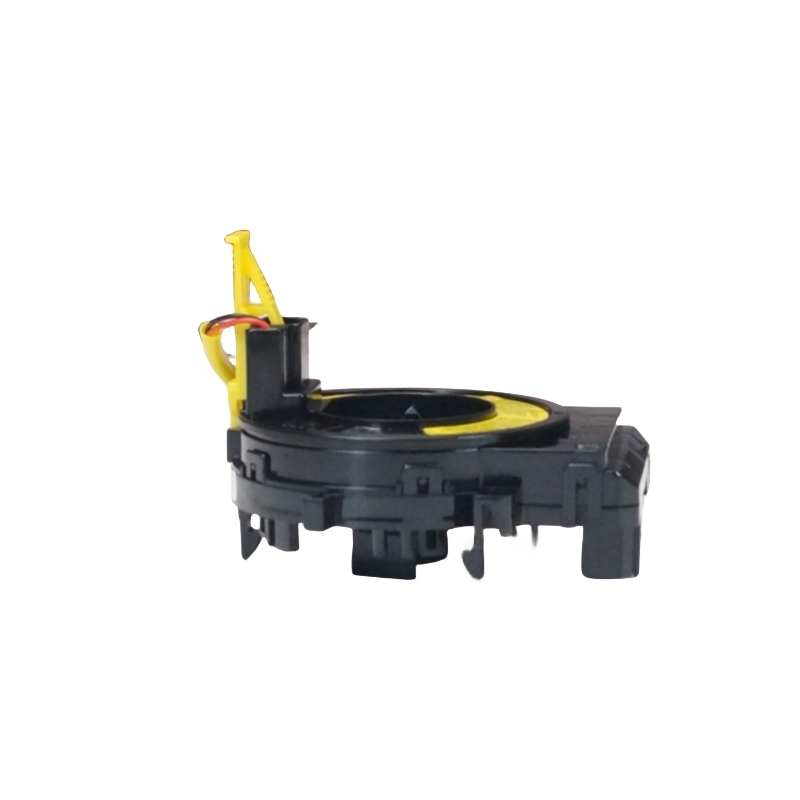
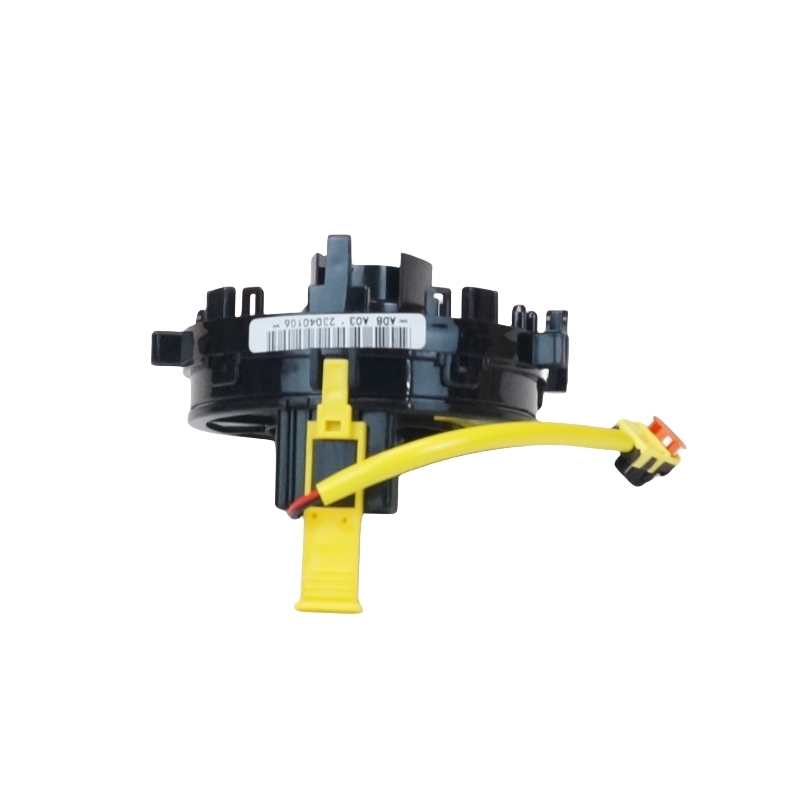
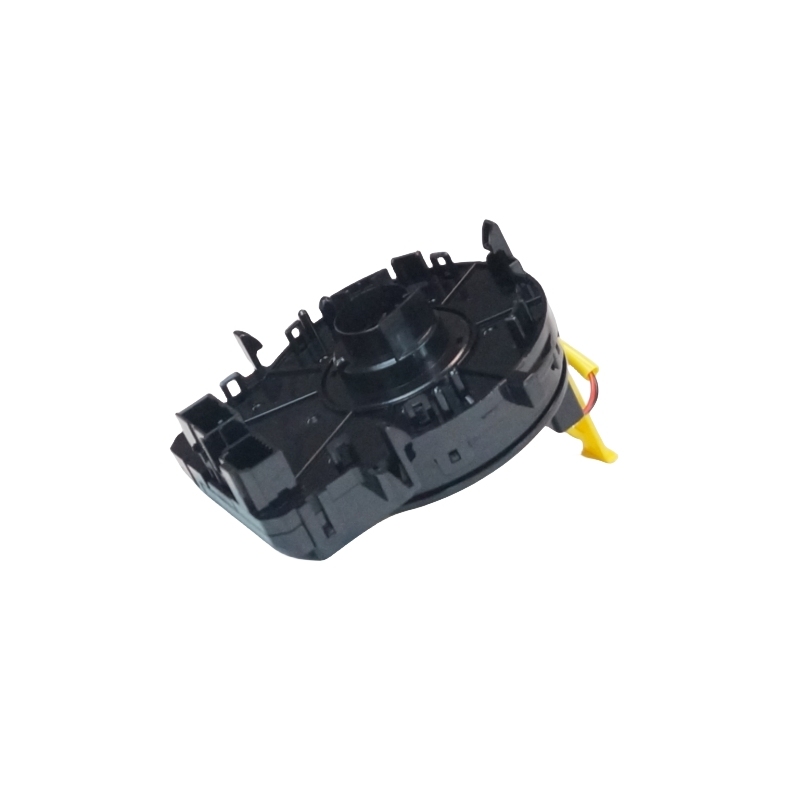
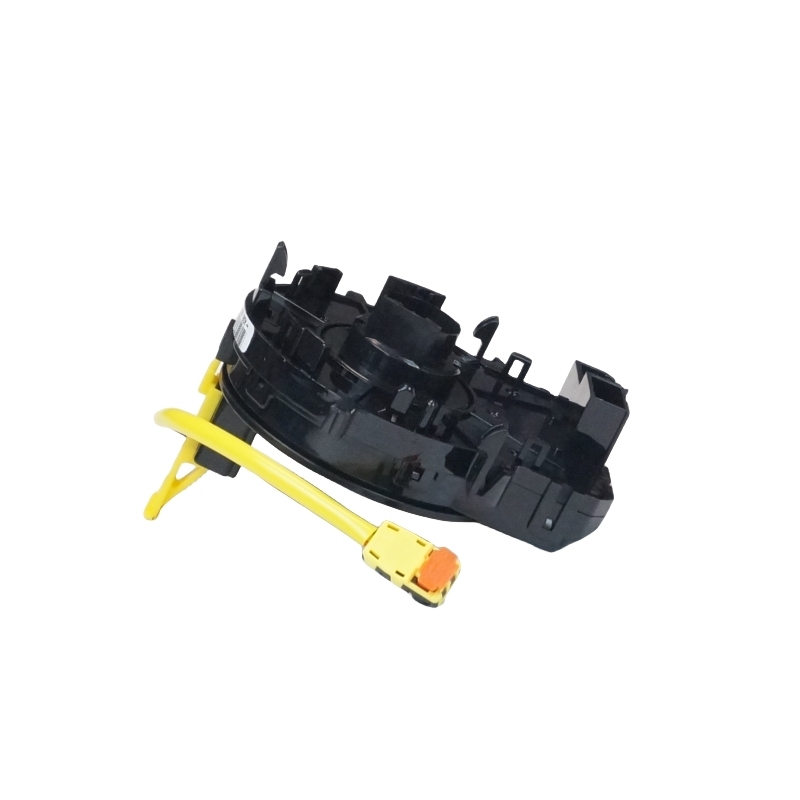
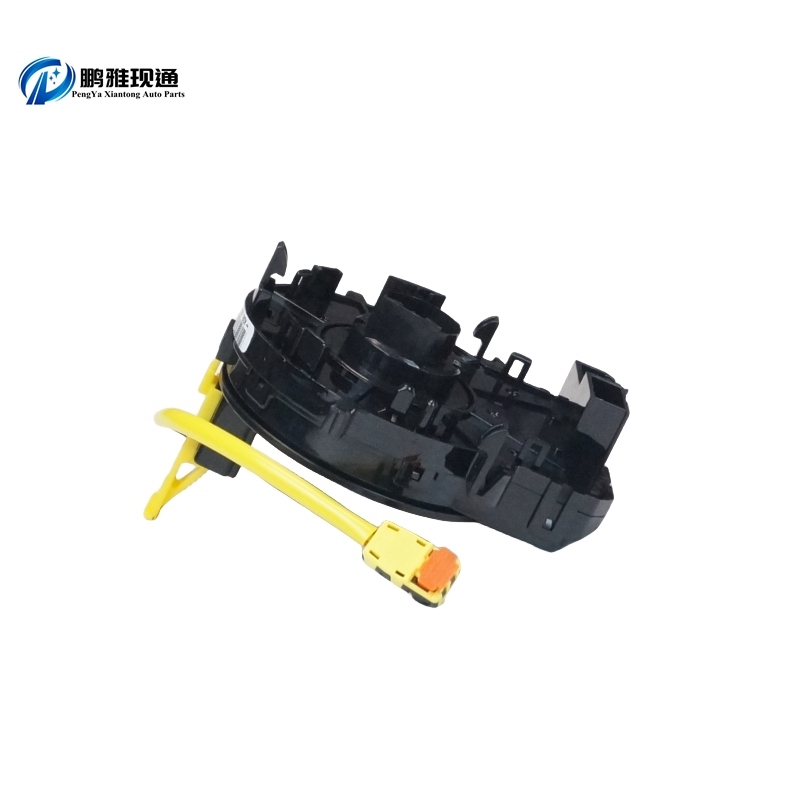
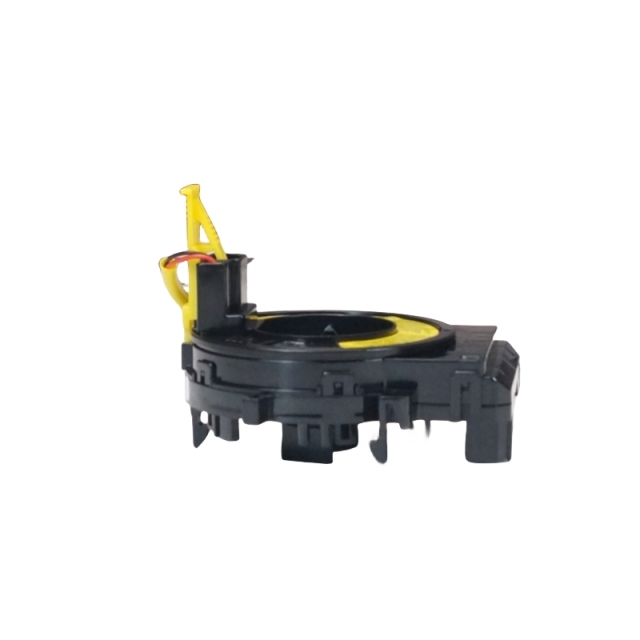
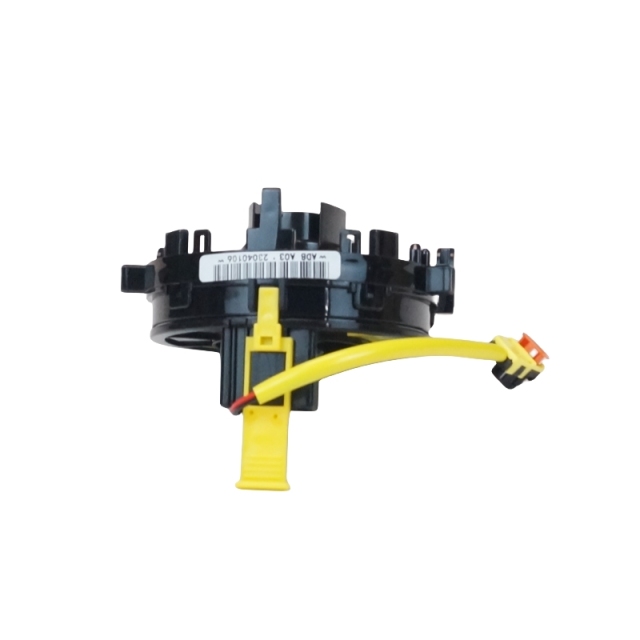
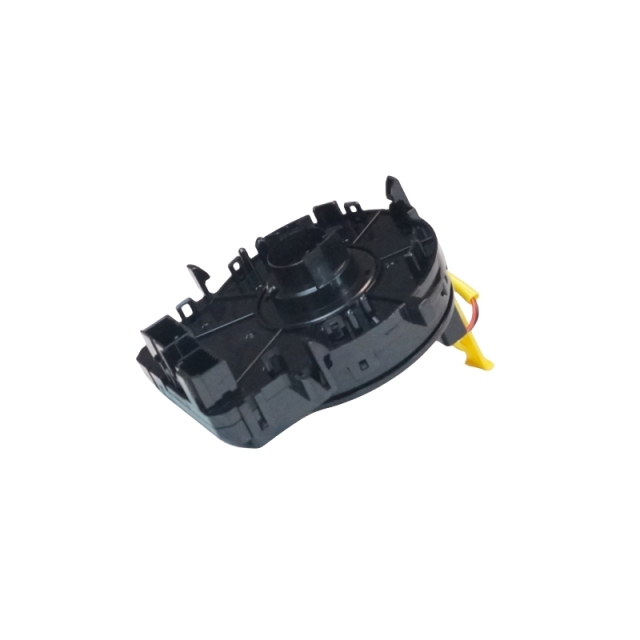
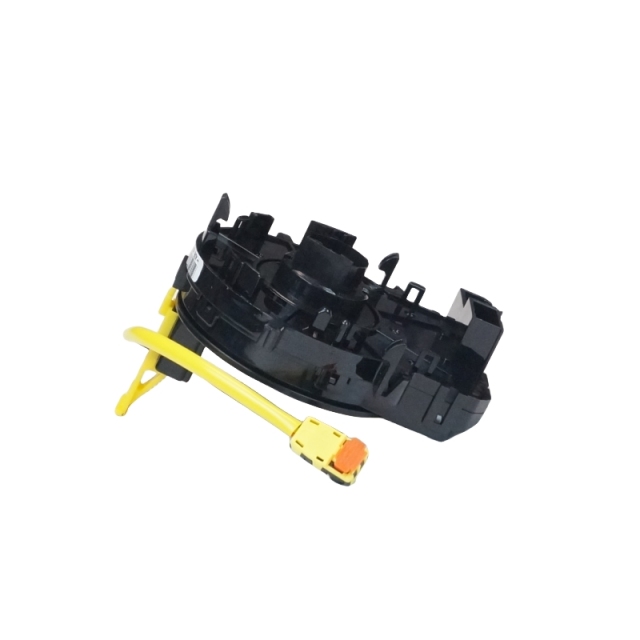
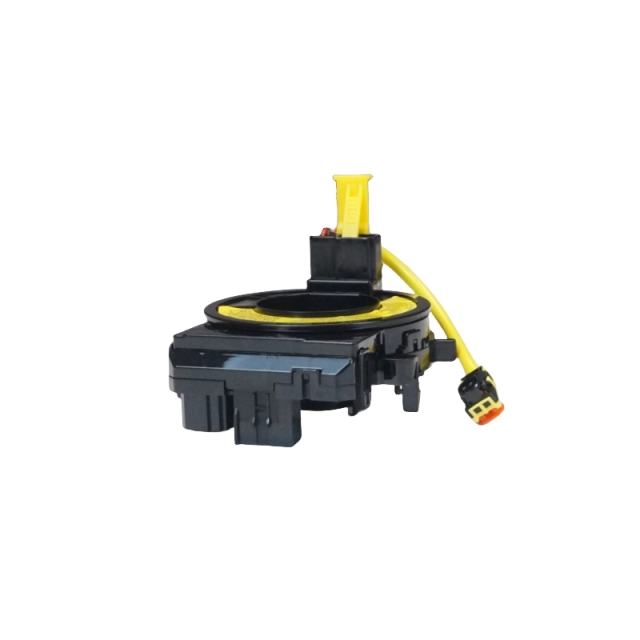
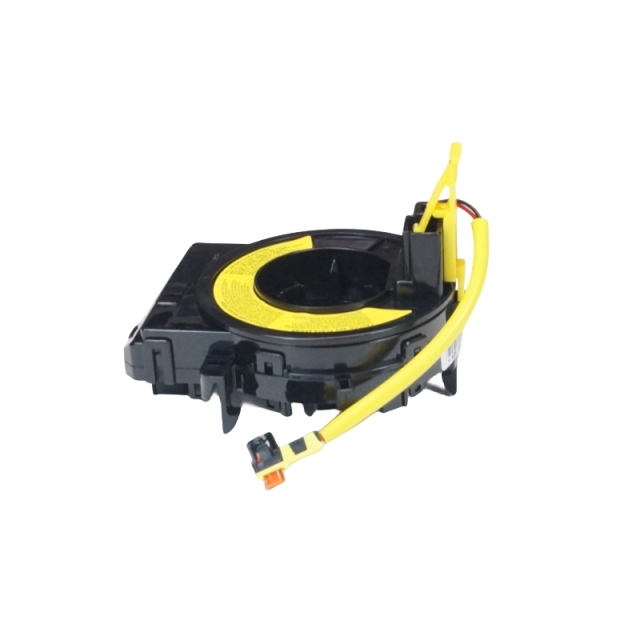
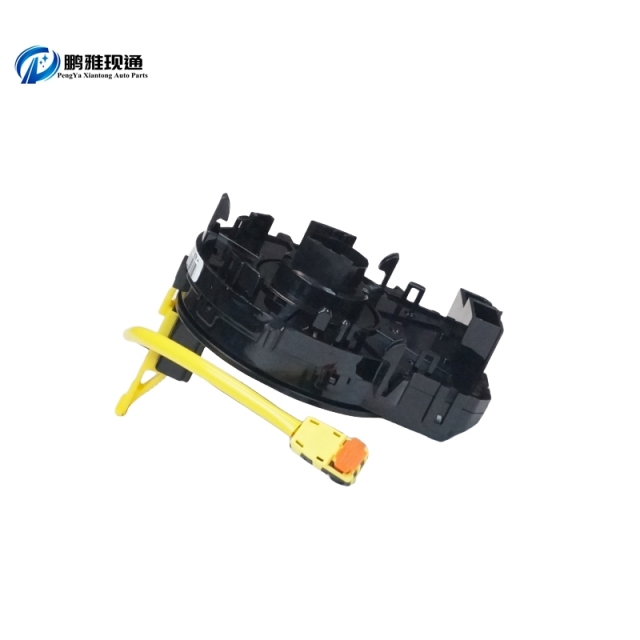
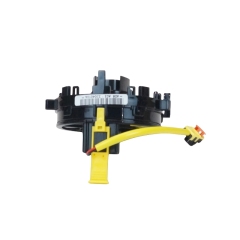
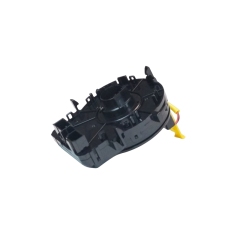
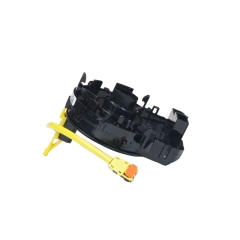
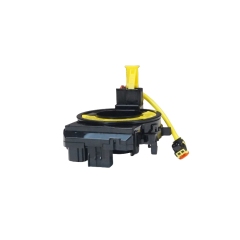
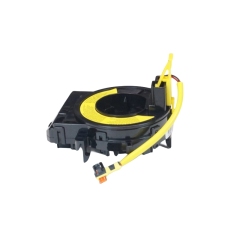
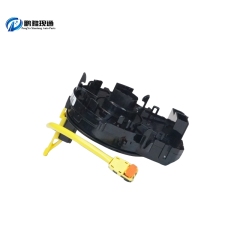
We are a Hyundai Kia auto parts supplier with more than 20 years behind us, and this unit goes out to workshops, distributors and counter buyers who need the exact part on the shelf. It arrives as one finished assembly — black circular housing, yellow locking lever, internal ring and connector tower — so fitting is a straight swap of the old unit rather than a rebuild of the ribbon inside the customer's original housing.
Some catalogues list it as a spiral cable, and buyers who know the part by that name are looking at the same assembly. The wound ribbon, the housing and the connector are what make it work; the name printed on the box is the least important thing about it.
Stocking it makes sense for any workshop that regularly sees Hyundai and Kia cars. It takes up little shelf space, and it covers a fault that would otherwise stall a vehicle in the bay for days waiting on OEM replacement parts.
Fitment & Part-Number Matching
Fitment on this part is decided by the number, not by the badge on the bonnet. The clock spring assembly is built for Gamma-engine Hyundai and Kia models, and within that group the connector shape and pin count are what separate one unit from another. Two cars that look identical from the outside can carry different column harnesses.
The safest check is the old unit itself. The number is marked on the housing, and the connector moulded into it is visible once the airbag and the wheel are off. Photograph both and send them with your inquiry; we will confirm the match against the number you send before anything is packed.
Do not rely on a model year alone. Trim levels and running changes within a generation can move the connector, and a clock spring replacement chosen on the model name alone is how wrong-part returns start. Give us the number from the old housing plus the model, year and VIN, and the check becomes specific to the car in front of you.
One point worth being clear about: these are OEM replacement parts built and numbered to the original fitment, not dealer-boxed originals. If a customer insists on a manufacturer-branded box, this is not that part. If the job is to get the horn, the buttons and the airbag wiring working again with a unit that fits the same space, it is exactly the right one.
Replaced columns and used steering parts are the other common source of mismatch. If a car has had a column change, the unit fitted to it may not be the one the VIN calls for, so match what is physically on the car. Send the number from the housing and a photograph of the connector and we will check it against the vehicle — that is the part of the job a Hyundai Kia auto parts supplier should be taking off your hands.
Installation & Safety Notes
- Disconnect the battery and wait. Isolate the negative terminal and let the system discharge before you touch anything on the airbag circuit. Follow the waiting time your service data gives for the model — the circuit holds reserve power after the battery is off.
- Remove the airbag module as the service data instructs. Release the retaining clips or screws in the documented order, lift the module clear without pulling on its wiring, and set it face-up where it cannot be knocked.
- Mark the wheel and the shaft before the wheel comes off. A paint mark across the hub and the shaft splines means the wheel goes back on straight ahead, which is what keeps the ribbon inside its working range.
- Compare the old unit with the new steering wheel clock spring before it goes in. Connector shape, pin count, lever position and housing depth should all match. Any difference means the number on the housing is worth checking again.
- Keep the new unit locked while you fit it. The yellow lever holds the ribbon centred on the shelf and during installation. Do not rotate the housing or release the lever until the wheel is seated on the splines.
- Seat the wheel straight, then reconnect and test. Tighten the wheel nut to the figure in your service data, reconnect the battery, and check the horn and the buttons with the wheels straight and again on full lock each way.
- Clear the stored code. Some models keep the airbag lamp on until the fault memory is cleared with a scan tool, so a lamp that stays lit straight after fitting is not automatically a second faulty unit.
Specifications
| Part number | 93490-2U000 |
| Component type | Airbag clock spring |
| Alternative name | Spiral cable |
| Position | Steering wheel hub, on the column |
| Engine family | Gamma |
| Vehicle makes | Hyundai, Kia |
| Housing | Black moulded plastic, circular |
| Locking lever | Yellow, holds the ribbon centred during fitting |
| Internal ring | Yellow |
| Wire assembly | Yellow cable with connector plug and red wire lead |
| Mounting | Central opening with moulded clips |
| Circuits carried | Horn, steering-wheel buttons, airbag circuit |
| Supply condition | New replacement part |
Packing & Stock Handling
- Packed with the lever locked. Each clock spring assembly leaves us with the yellow lever in its centred position and the connector protected, so the ribbon does not move in transit. Check the lever before a unit goes onto the shelf; if it has been released, the ribbon has turned.
- Store flat, not under weight. Keep units in their cartons rather than loose in a parts bin, and do not stack heavy components on top. The housing is plastic and the ribbon inside is set to a fixed number of turns.
- Keep the connector clean and dry. Dust, brake cleaner and solvent mist are the usual enemies of the pins. Leave the plug capped until the moment it goes onto the column wiring.
- Never test a unit by spinning the housing by hand. Turning the housing off the car is the quickest way to lose the ribbon's centre. Fit it to the column and let the steering wheel set the working range.
- Label the carton edge. Write the number from the housing on the outside of the box so counter staff can pick it without opening anything — the same number you matched when the order was placed.
- Inspect on arrival. Open each carton when it reaches you and look over the lever, the connector and the housing for transit damage before the unit is booked into stock, so any issue is raised while the shipment is still fresh.
Ordering & After-Sales Process
- Inquiry and clarification. Send the OE number, the vehicle model and year, the quantity and the market you are selling into. We reply within 12 hours, confirm the fitment and the packing, and flag anything that does not look consistent. If other OEM replacement parts are on your list, add them to the same message so the whole requirement is quoted together, and ask about sample availability if you want to see a unit before committing to stock.
- Quotation and order confirmation. A formal quotation follows within 24 hours, covering price, warranty terms and the documents your market requires. We quote as a Hyundai Kia auto parts supplier working with workshops and distributors, so a mixed list is normal — once you confirm, we issue the PI or contract and both sides work from the same written specification.
- Advance payment. Picking and preparation start once the deposit is in, usually 30% T/T as set out in the contract. Send the bank slip through and we begin preparing the goods.
- Quality check and stock-up. Each unit is checked against the OE number, the ordered quantity and its overall condition before it is packed. Anything that does not pass is held back rather than shipped, and the order is completed and packed only when the count is correct.
- Logistics and delivery. Express, air or sea, chosen around volume and urgency, with tracking shared as the shipment moves. A B/L copy goes out before shipment and the full document set is released against balance payment.
- After-sales support. A 6–12 month warranty applies, confirmed on the quotation for your order. If a unit gives trouble, send the OE number, the vehicle details and photographs of the part and the fault, and we will review it against those terms and agree a resolution with you.
Quality Control & Inspection
Every order goes through staged checks before it leaves us: incoming stock is verified against the OEM part number and listed fitment, running batches are sampled during packing, and a final inspection confirms the cartons match the order before dispatch. If you prefer your own inspector, we cooperate fully with third-party teams such as SGS or BV and make goods available for viewing. Any non-conforming piece is held back first, then replaced or credited. Each shipment travels with a packing list and inspection record for your receiving desk.
FAQ
What does the airbag clock spring actually connect?
It carries the electrical connection from the fixed steering column to the parts that turn with the wheel: the horn, the steering-wheel buttons and the airbag module. The ribbon winds and unwinds as you steer, which is why one worn unit can affect several controls at the same time.
How can I tell a worn clock spring from a failed horn or button?
Look at the pattern. A horn that works only at certain steering angles, buttons that come and go as the wheel turns, and a warning lamp together point to the ribbon. A horn that is silent at every angle, or one dead button while the rest work normally, is more likely a relay, a contact or the button module — and a clock spring replacement will not change either of those.
Which Hyundai and Kia vehicles does this unit fit?
It is the clock spring assembly for Gamma-engine Hyundai and Kia models, and the exact match is set by the number on the original housing plus the shape of the connector. Send those two details with the model and year and we will check the unit against the car before it ships — do not order on the model name alone.
Do I need to disconnect the battery before fitting a new steering wheel clock spring?
Yes. Isolate the negative terminal and give the airbag system its stated discharge time before anything is unplugged, then follow the service procedure for removing the airbag module. The unit itself is a straight swap, but the airbag circuit is not a place to work live.
What happens if the steering wheel is turned while the unit is not fitted?
The spiral cable is set to a working range, so turning the wheel with no unit on the column takes the ribbon past that range and it will not find its centre again. Lock the wheel straight once the old unit is out, and fit the new one with the yellow lever still holding the ribbon in position.
Will the airbag warning light go out by itself once the new unit is in?
Not always. The lamp is driven by the airbag circuit and by the fault memory, and on many models the stored code has to be cleared with a scan tool before the lamp will go out. If it stays on after fitting, read the codes before assuming the new unit is at fault.