Failure Signs & Service Notes
The first sign is usually weak heat: warm at speed, cold at idle, or a cabin that only heats on the driver's side. That pattern points at restricted coolant flow through the HVAC heater core rather than at the blower. A leaking cabin heater core shows differently. Expect a sweet coolant smell in the cabin, a greasy film that keeps returning to the windscreen, and a coolant level that drops with no puddle under the car. By the time the carpet under the dash is wet, the leak has been running for a while. Diagnose before you order. A cold cabin can come from a stuck thermostat, an air lock, a failed blower resistor or a blend door that never opens, and none of those are fixed by a new core. Check that both heater hoses reach operating temperature and that the blend door travels through its full range first. When the core itself is at fault, the labour is the expensive part. For a distributor, the practical split is by season and by symptom: cores move when heaters fail in the cold months, and the same workshops come back for the hoses, clamps and coolant that go with the job.
Product Overview
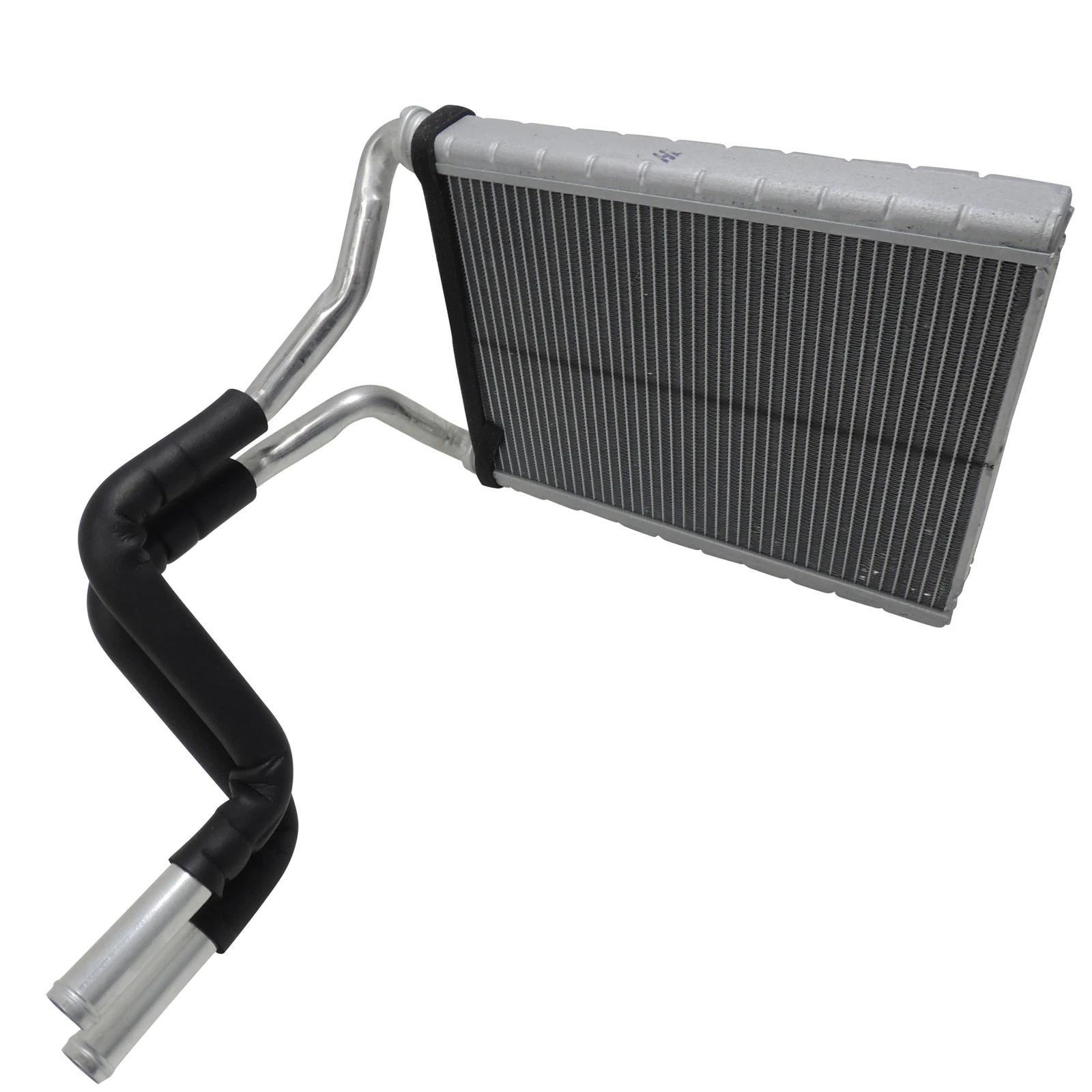
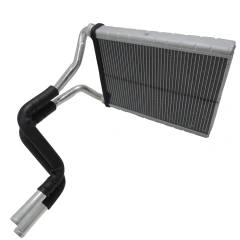
A cabin heater core is the small heat exchanger that gives a car its warm air. Engine coolant passes through it on the way back from the radiator, the blower pushes cabin air across its fins, and the vents deliver that air warm. On Hyundai and Kia vehicles it sits inside the heater box behind the dashboard, out of sight until it fails.
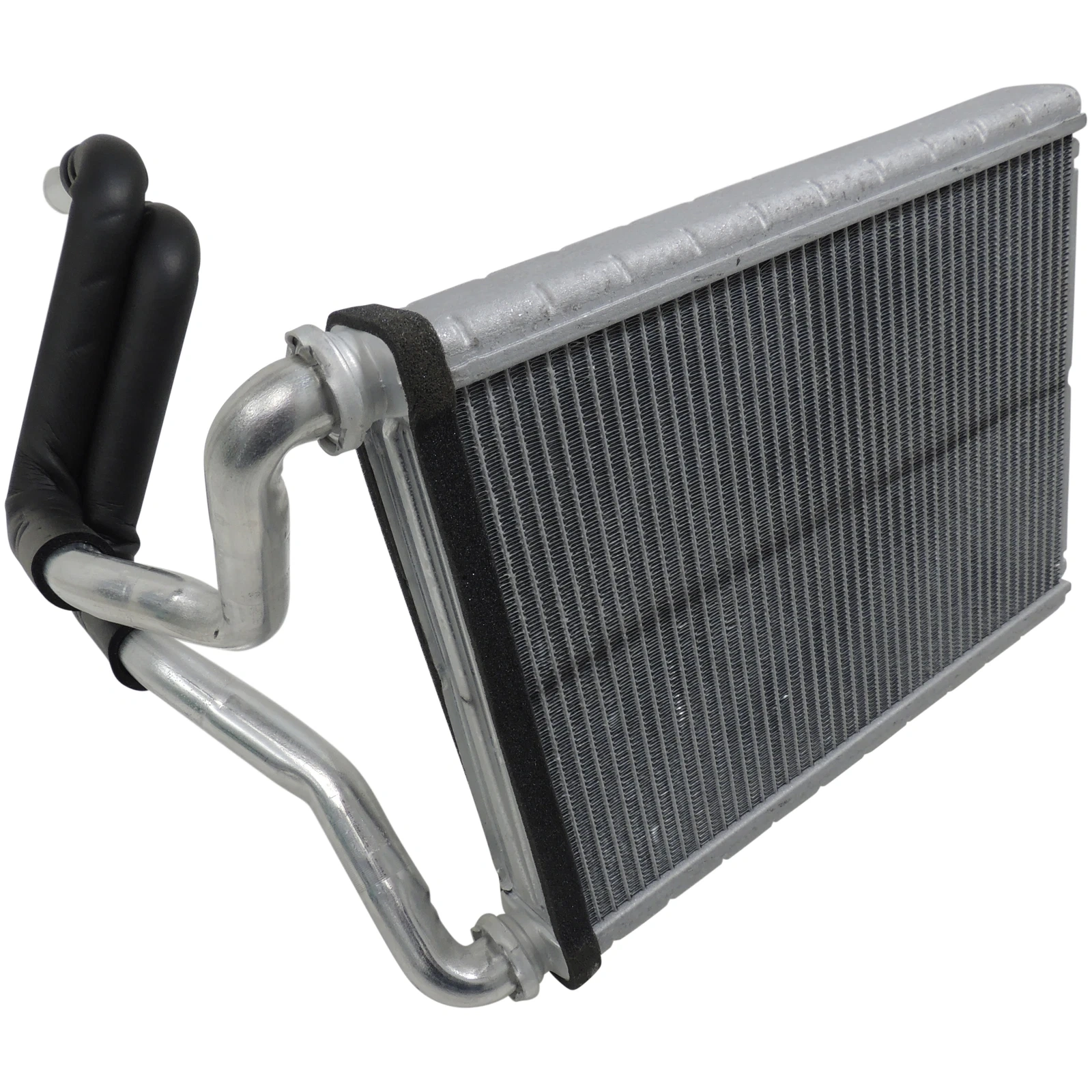
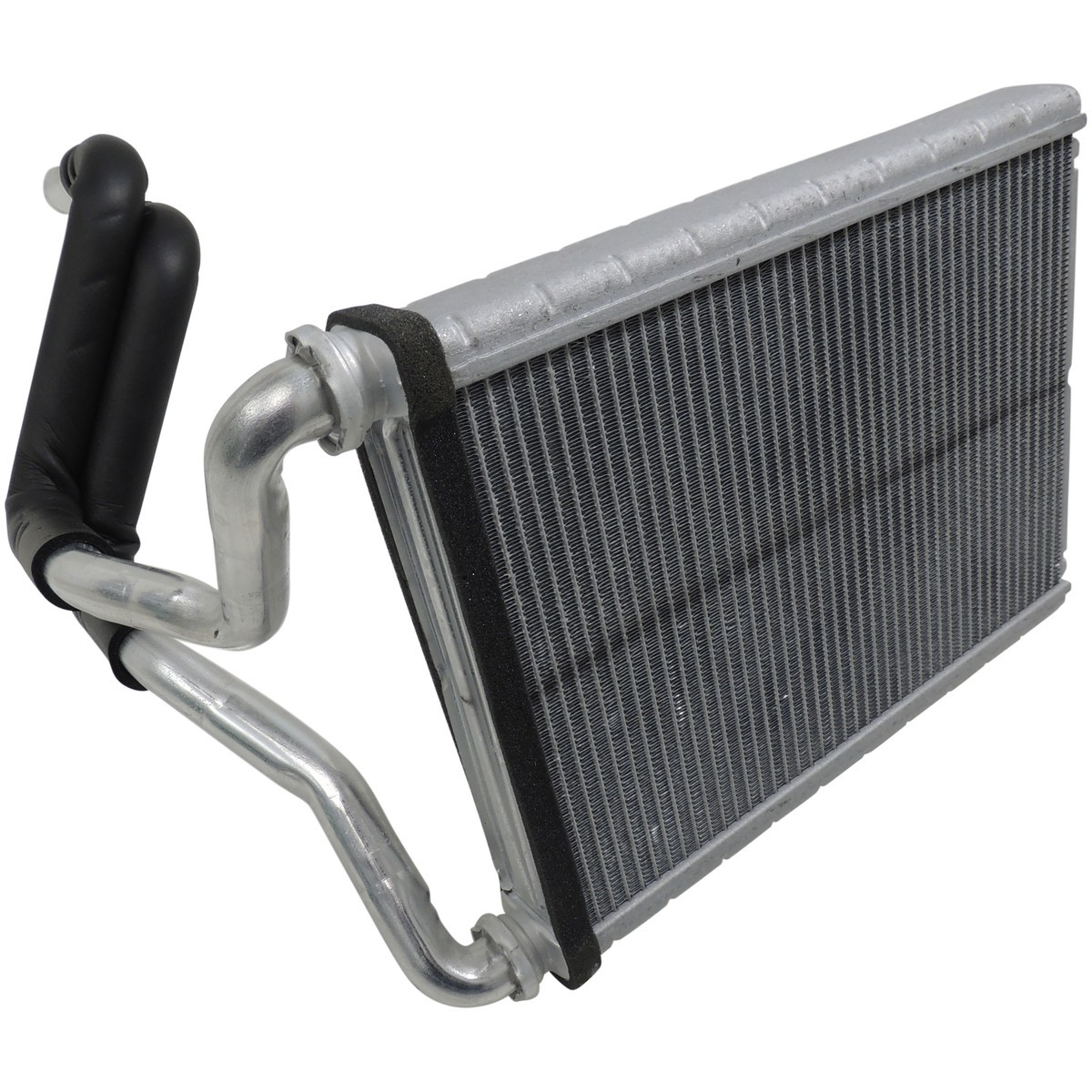
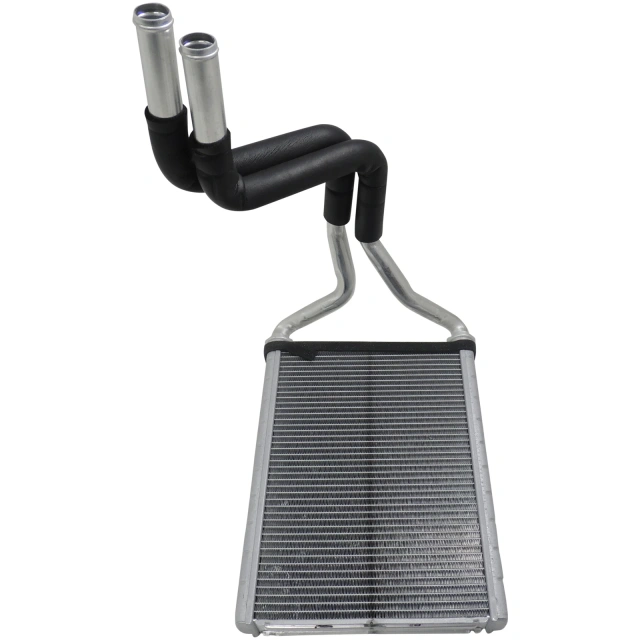
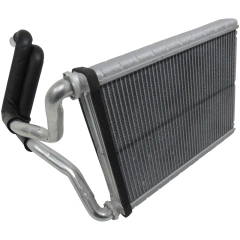
This metal heater core is the direct-fit part for that job. It drops into the original housing with the same pipe positions and mounting points, so the repair stays a remove-and-refit rather than a fabrication exercise in the footwell.
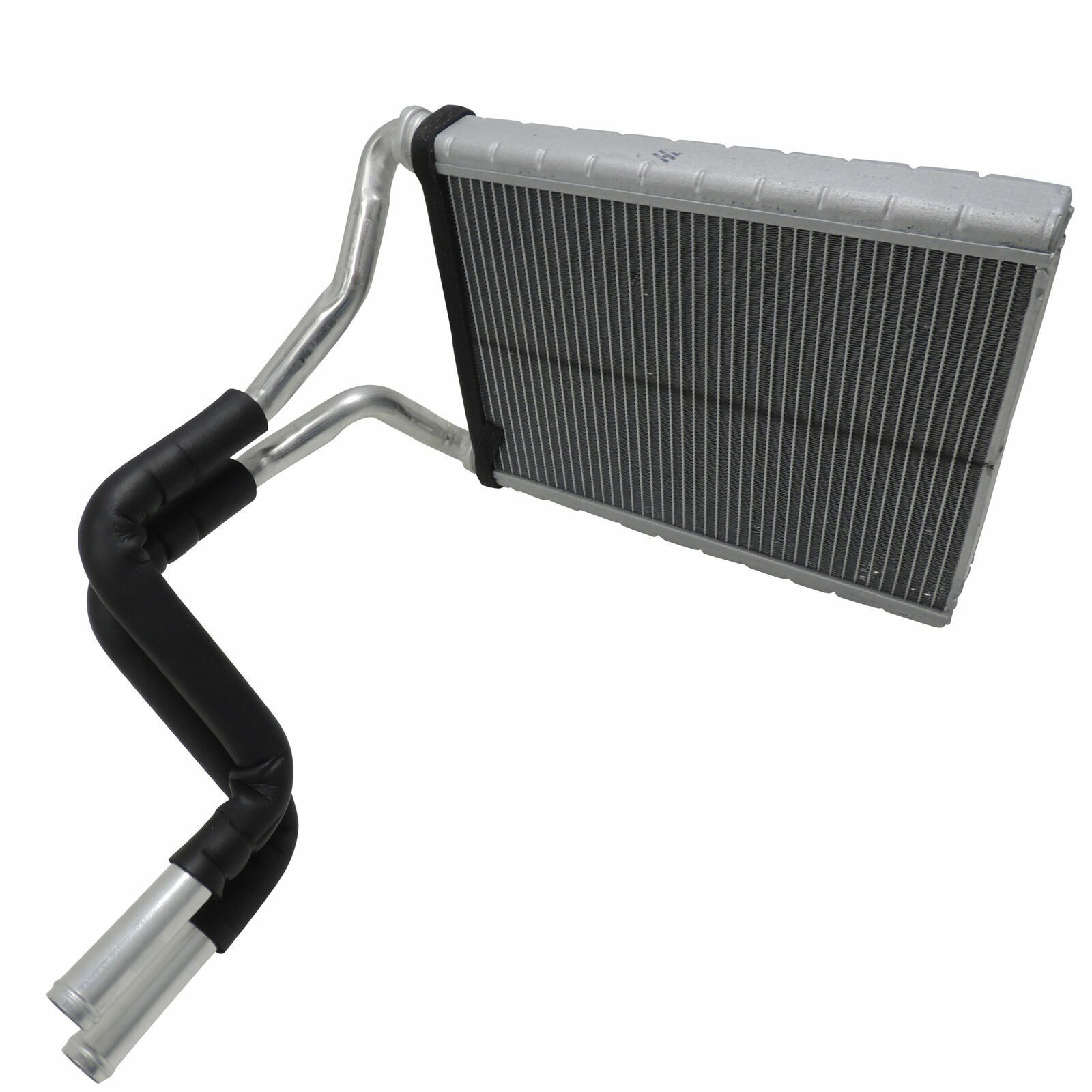
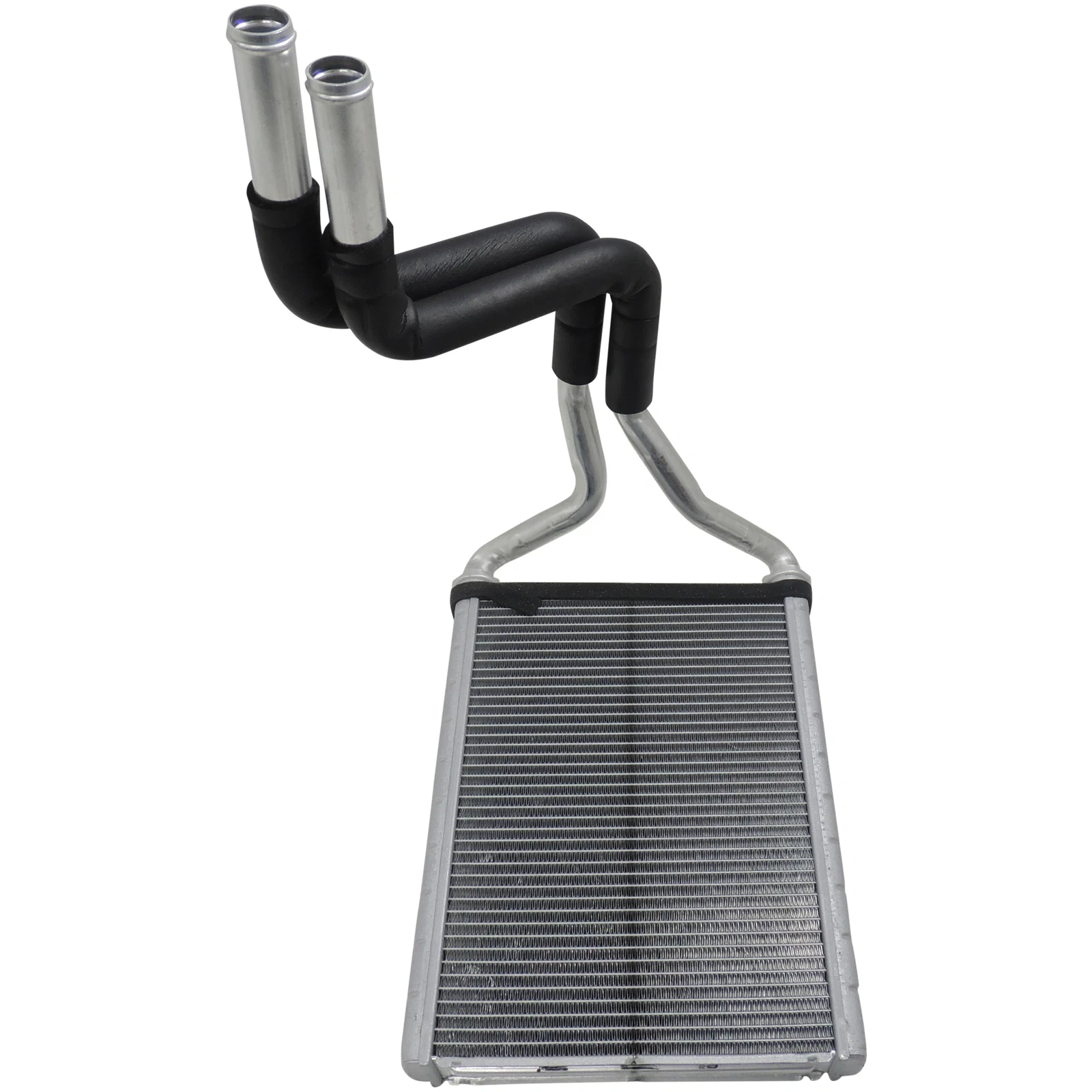
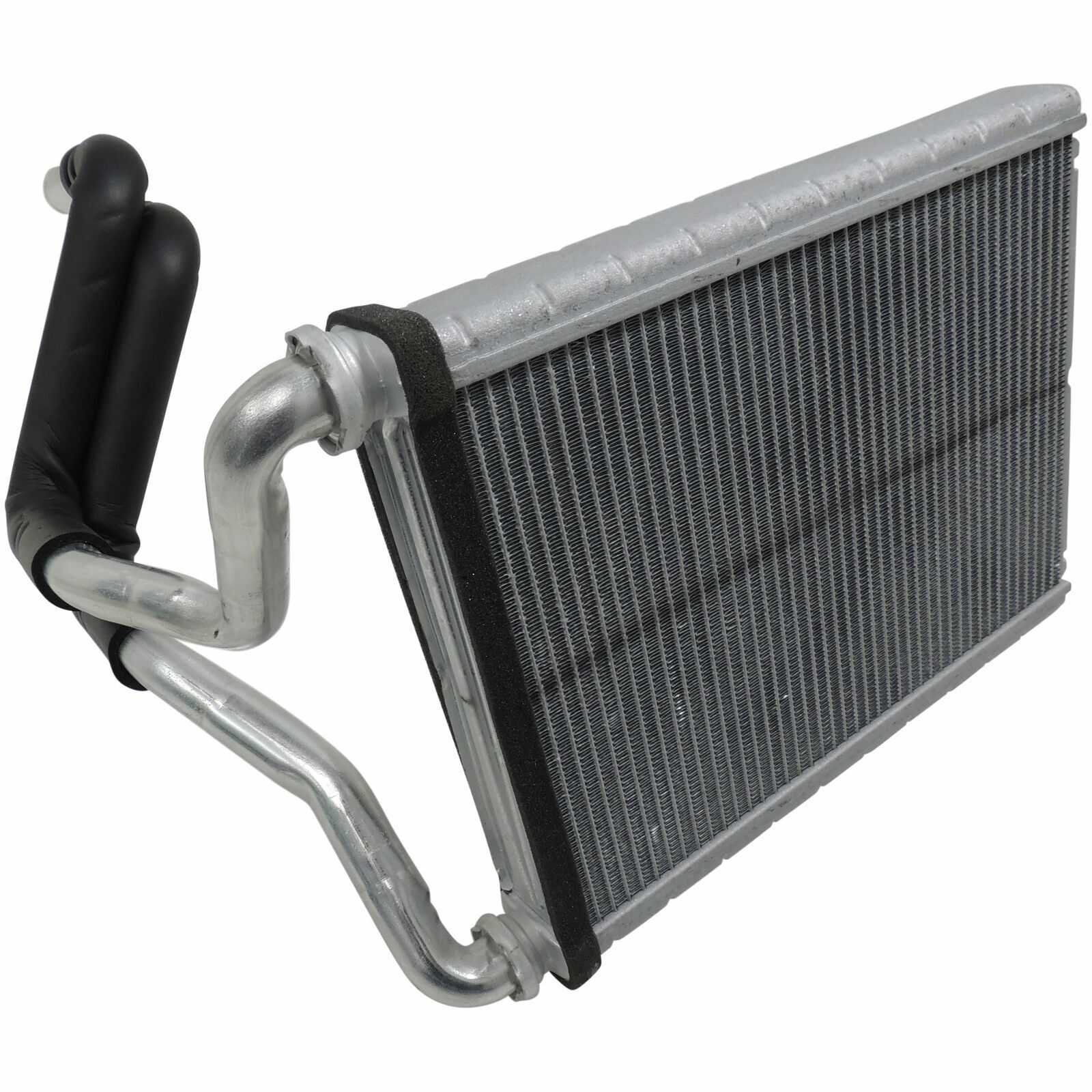
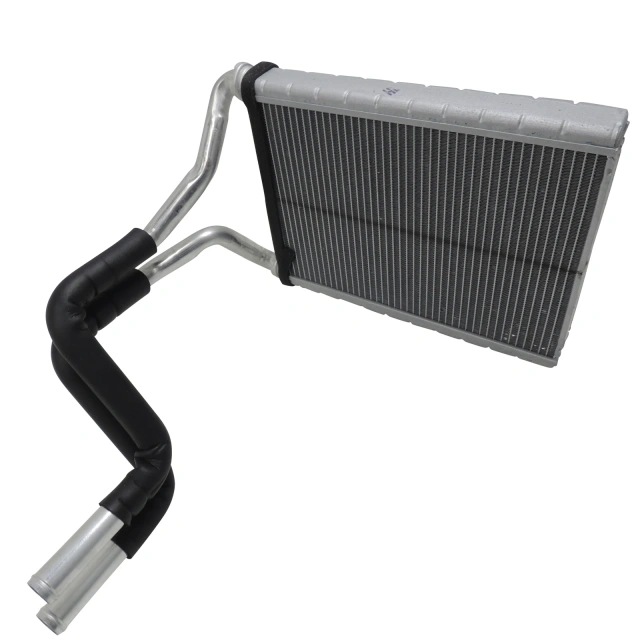
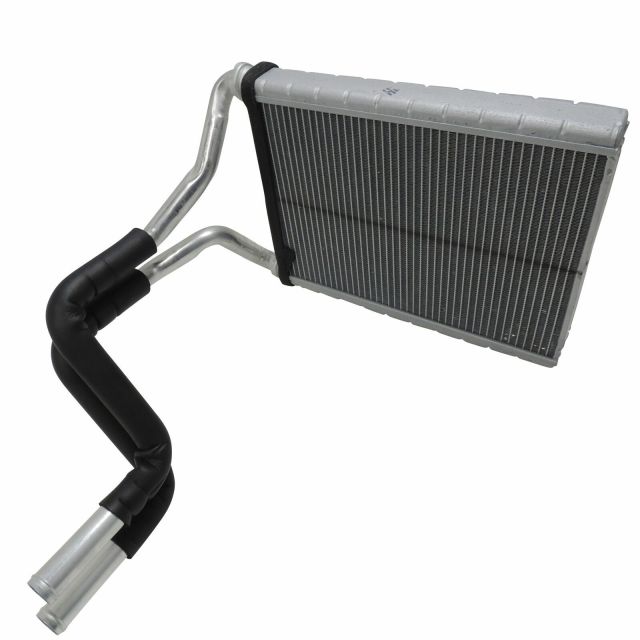
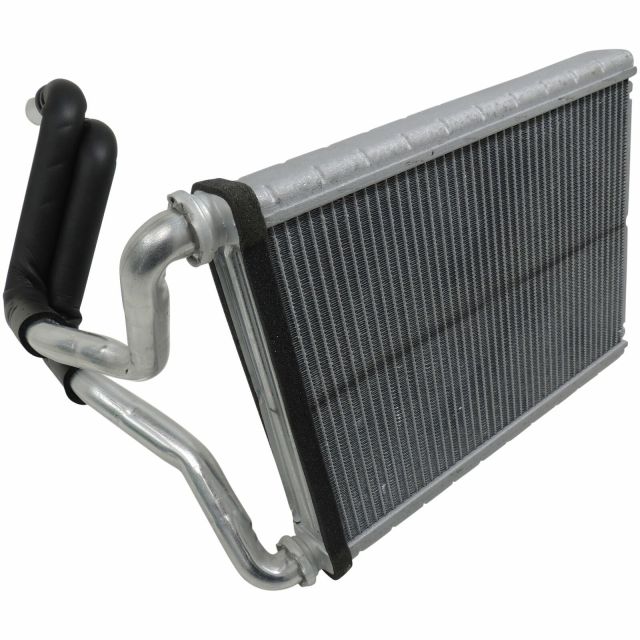
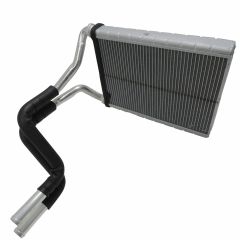
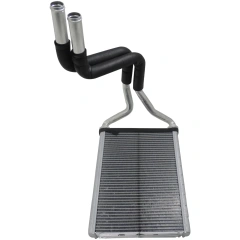
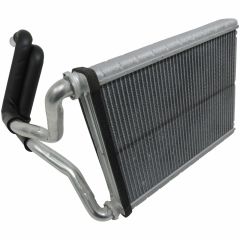
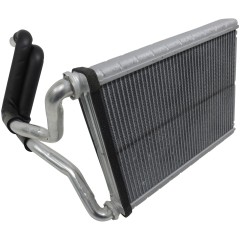
Each unit arrives as a complete assembly, with the coolant pipes already fitted and sleeved in foam insulation, and the foam side seal in place around the edge. That removes the two things that stretch this job: hunting for a seal that has crumbled, and trying to line up pipes that were never shaped for the car.
A core that does not seal to its housing blows lukewarm air even when it is working perfectly, because the blower pushes air around the core instead of through it. The foam edge strip is what prevents that, and it is the detail worth checking on any part you buy.
Buyers come to us as a heater core supplier to workshops keeping a core on the shelf for common jobs, and to distributors stocking against repeat demand. The unit suits both: compact enough to live in a parts bin, and complete enough that nothing else has to be ordered alongside it.
Construction & Build
- Finned aluminum heater core. Flat tubes carry the coolant, with a dense fin pack between them. Fin area is what moves heat from coolant into cabin air, so a full, undamaged fin pack is the difference between warm vents in a few minutes and a cabin that never really heats. Formed metal coolant pipes. The inlet and outlet are metal, with the bends already shaped to pass through the bulkhead and meet the engine-bay hoses in their original positions. Foam-sleeved pipe runs. Each pipe is wrapped in black foam. It holds heat in the coolant on the way to the core and keeps metal off metal where the pipes pass the housing. Foam side seal. A closed foam strip runs around the core edge to close the gap against the housing. Rectangular core body. The flat rectangular shape matches the aperture in the heater box. A body that is slightly out will not seat squarely, and the seal then cannot do its job. Bare matte aluminum finish. No paint goes over the core. There is nothing to blister in a hot, damp housing and no coating debris to block the fins. Built as a like-for-like heater core replacement. Pipe angles, seal positions and overall depth follow the original part rather than a generic core adapted to fit, which is what keeps it a drop-in job.
Part Number & Fitment
- Start with the number on the part you are removing. Do not match by appearance. Hyundai and Kia have used several cores that look alike from the outside but differ in pipe angle, pipe length or seal position, and one that is close is still one that will not seat. Lay the new core beside the old one and compare the pipes. Both should leave at the same angle and reach the same depth into the bulkhead grommets, with the foam sleeves running over the same sections. Check the seal line. The foam edge strip should sit where the original sat, with no gap at the corners, since that is where air bypass starts and where a good core begins blowing lukewarm. If anything is unclear, send the VIN, model year and a photo of the old core. As a heater core supplier, we check it against the Hyundai and Kia fitment records we keep on file and confirm the match before the order is placed. Keep the part in context. This is the cabin heating replacement that sits inside the heater box, not the A/C refrigerant line running to the condenser, and ordering by system name alone is how the wrong part ends up on the bench.
Installation Notes
- Drain and capture the coolant first. Work on a cold engine and drain into a clean container. Coolant is the messiest part of this job if it is rushed, and it needs proper disposal rather than a drain.
- Take the HVAC heater core out of the housing, not the whole box. Once the housing is reachable, the core lifts out of its seat. Label the connectors and note the blend door linkage before anything is unclipped.
- Handle it by the tanks and pipe stubs. The aluminum heater core bends easily at the fin pack, and crushed fins cost heat output. Keep the fins straight and never use the pipes as a lever.
- Fit the seal before the core goes back. Brackets and retainers transfer from the old unit, but the foam edge seal should be seated all the way round; a compressed or twisted seal is where air bypass starts.
- Seat the pipes before tightening anything. Both pipes should enter the bulkhead grommets squarely. If one needs force, the core is not sitting correctly and should come back out.
- Run it through a heat cycle before handover. A heater core replacement that weeps at a pipe joint usually does it on the first hot-to-cold cycle rather than on the lift, so check both joints cold and again once the engine has reached operating temperature.
Specifications
| Part number | 97138-C2000 |
| Component type | Cabin heater core |
| Core construction | Finned aluminum heat exchanger |
| Coolant connections | Formed metal pipes, foam-insulated |
| Core form | Rectangular flat core |
| Finish | Matte aluminum with black foam seals |
| System | Engine coolant circuit, cabin heating |
| Installation position | HVAC heater box, under the dashboard |
| Mounting | Original heater box fixings and foam side seal |
| Fitting type | Direct fit to the original housing |
| Vehicle fitment | Hyundai and Kia (confirm against your part number) |
| Supplied as | Core with coolant pipes and foam insulation fitted |
Ordering & Delivery
- Inquiry and clarification. Send the part number, quantity, packing requirements and the market the goods are going to. We reply within 12 hours and confirm the OE number and fitment before anything is priced; as a heater core supplier working with trade buyers, we would rather ask twice than ship a core that does not fit.
- Quotation and order confirmation. A formal quotation follows within 24 hours, setting out the price and the warranty terms that apply. Tell us at this stage if your market needs particular documents and we will confirm what is available before you commit. Once you approve, we issue the PI or contract to lock the order.
- Advance payment. The deposit is usually 30% by T/T, as set out in the contract. Goods are prepared as soon as the bank slip reaches us, so the slot is held from that point.
- Quality check and stock up. Every unit is checked for OE number, quantity and condition before packing. Bulk orders of this cabin heating replacement are packed together for workshop and distributor stock, and anything that fails the check is held back rather than quietly substituted.
- Logistics and delivery. Express, air or sea freight, chosen to suit volume and urgency, with tracking passed on as the goods move. A B/L copy goes out before shipment and the full document set is released once the balance is settled.
- After-sales support. Cover runs 6–12 months as set out on your quotation. If a unit arrives damaged or does not match the confirmed number, send photos and the packing list reference and we will work through it with you.
Quality Control & Inspection
Every order goes through staged checks before it leaves us: incoming stock is verified against the OEM part number and listed fitment, running batches are sampled during packing, and a final inspection confirms the cartons match the order before dispatch. If you prefer your own inspector, we cooperate fully with third-party teams such as SGS or BV and make goods available for viewing. Any non-conforming piece is held back first, then replaced or credited. Each shipment travels with a packing list and inspection record for your receiving desk.
FAQ
Is this a genuine Hyundai or Kia part?
No, and we would rather say so plainly. This is an aftermarket replacement sold to the trade for repair work, not a dealer-boxed genuine part, so it is not covered by the vehicle maker's warranty. It is built to the OEM number this core is sold under, and the metal heater core inside the carton is a new unit rather than a reconditioned one.
How do I know it will fit my vehicle?
Fit is settled by the OEM number, not by the model name. Read the number off the part you are removing and compare it with the OEM number for this core; if you would rather we check, send the VIN and model year and we will confirm before the order is placed. The same model year can use more than one core depending on engine and market, so the number is what decides it.
What is included with the core?
The unit arrives with its coolant pipes already fitted and wrapped in foam insulation, and the foam side seal is in place around the edge. The aluminum heater core itself is bare of brackets and hoses, because those transfer from the old unit, which is also why no separate fitting kit is needed.
Can the core be changed without removing the dashboard?
On most Hyundai and Kia models the heater box sits behind the dashboard, so access is the deciding factor and it varies from model to model. Some layouts leave enough room to work from the footwell side; others need the dash loosened or removed. Your model's workshop manual will settle that before the bay is booked, and once you are in, the cabin heating replacement lifts out of its seat.
What usually causes a heater core to fail?
Coolant that was never changed sits behind most failures. As the inhibitor package ages, the coolant turns acidic and starts eating the tubes from the inside, and debris settling in the core blocks flow until the heater blows cold at idle. A heater core replacement is often the first visible bill for a cooling system that has been neglected for years.
Do you supply other Hyundai and Kia cooling and climate parts?
We do. Radiators, radiator fan assemblies and A/C hoses sit alongside this heater core for Hyundai and Kia repairs in the same range, so a workshop order or a distributor restock can go out as one shipment. Send the list with part numbers and we will confirm what can travel together.
How should the cooling system be refilled after fitting?
Use the coolant type specified for the vehicle rather than a universal top-up, and bleed the system with the heater set to full hot. Air left in the circuit is the usual reason a new HVAC heater core blows cold at idle. Run the engine to temperature, keep the expansion tank topped up as the level drops, and check that both heater hoses are hot before handover.